
Is your dog scratching nonstop or showing signs of discomfort? It can be tough to tell if fleas or allergies are the real culprit behind your pet’s itchy skin.
Both can cause similar symptoms, leaving you worried and unsure about the best way to help your furry friend. But knowing the difference is key to providing the right care and relief. You’ll discover how to spot the signs of fleas versus allergies in dogs, why it matters, and what steps you can take to keep your dog happy and healthy.
Keep reading to learn how to protect your dog from discomfort and keep those annoying itch attacks at bay!
Flea Basics
Fleas are small insects that feed on your dog’s blood. They cause irritation and discomfort. Understanding fleas helps in managing your dog’s health better. This section covers the basics of fleas, their life cycle, symptoms, and diseases they carry.
Knowing these facts helps distinguish flea problems from allergies. It guides pet owners to take the right steps to protect their dogs.
Flea Life Cycle
The flea life cycle has four stages: egg, larva, pupa, and adult. Female fleas lay eggs on the dog’s fur. Eggs fall off into the environment. Larvae hatch from eggs and feed on organic matter. Pupae develop inside a cocoon, waiting for the right time to emerge. Adult fleas jump on pets and start feeding. This cycle can complete in two weeks under warm conditions.
Common Flea Symptoms
Fleas cause itching and red skin on dogs. You may see small black dots, flea dirt, on the fur. Dogs scratch, bite, or lick their skin more than usual. Hair loss in patches is common. Some dogs develop scabs or sores from constant scratching. Restlessness and discomfort often increase with flea infestations.
Flea-borne Diseases
Fleas can spread dangerous diseases to dogs. Bartonellosis causes fever, vomiting, and low energy. Murine typhus spreads through flea feces and can cause diarrhea and weakness. Rickettsia infections lead to nausea and vomiting. Dogs may also swallow fleas infected with tapeworms. Tapeworms cause digestive upset but not always vomiting. Heavy flea infestations stress dogs, worsening stomach issues. Severe flea allergy dermatitis causes intense itching and skin problems.

Credit: www.cliffdaleanimalhospital.com
Allergy Basics
Understanding allergies in dogs helps pet owners care better for their furry friends. Allergies cause discomfort and affect a dog’s health. Recognizing allergy basics is the first step to relief and proper treatment.
Allergies often mimic flea infestations, making it hard to tell the difference. Knowing the types, symptoms, and causes helps in identifying the right problem. This knowledge guides owners to seek the best care for their dogs.
Types Of Allergies In Dogs
Dogs can suffer from several allergy types. The most common include flea allergy dermatitis, food allergies, and environmental allergies. Flea allergy dermatitis is caused by flea bites and their saliva. Food allergies arise from reactions to certain ingredients in dog food. Environmental allergies come from pollen, dust, mold, and other irritants around the dog.
Common Allergy Symptoms
Allergy symptoms vary but often include itching, redness, and inflammation. Dogs may scratch, lick, or chew their skin frequently. Hair loss and hot spots can develop from constant irritation. Some dogs show ear infections or watery eyes. These signs often overlap with flea infestation symptoms.
Environmental Vs Food Allergies
Environmental allergies come from substances in the dog’s surroundings. Pollen, dust mites, and mold spores are usual triggers. Symptoms may worsen during certain seasons or in specific places. Food allergies stem from certain proteins or additives in dog food. Common culprits include beef, chicken, dairy, and grains. Food allergies often cause digestive upset along with skin problems.
Fleas Vs Allergies: Symptom Differences
Distinguishing between flea infestations and allergies in dogs can be tricky. Both cause discomfort and itching but show different signs. Knowing the symptom differences helps in proper treatment and relief.
Itching Patterns
Fleas cause intense itching mainly around the tail base and belly. Dogs often scratch, bite, or lick these areas. Allergies trigger itching that spreads over the body. Ears, paws, and face are common spots for allergy itching. Flea itching is usually more focused and severe.
Skin Changes
Flea bites often lead to small red bumps and scabs. Hair loss occurs where dogs scratch or bite fleas. Allergies cause redness, swelling, and dry or flaky skin. Long-term allergies may result in thickened or darkened skin. Flea bites cause more pinpoint skin damage.
Other Physical Signs
Fleas may be visible as tiny dark spots moving on the dog’s fur. You might see flea dirt, which looks like small black specks. Allergic dogs may show swollen paws or frequent ear infections. Flea infestations can also cause anemia in severe cases. Each condition has unique physical clues to watch for.
Digestive Issues And Causes
Digestive issues in dogs often reveal underlying problems like flea infestations or allergies. Both conditions can disrupt your dog’s stomach and intestines, leading to discomfort. Understanding the causes helps pet owners spot symptoms early and seek proper care. Digestive troubles may show as vomiting, diarrhea, or loss of appetite. Knowing the difference between flea-related and allergy-related causes is essential for effective treatment.
Vomiting From Flea-related Illnesses
Fleas can cause vomiting in dogs through several ways. Flea-borne diseases, such as Bartonellosis, often trigger nausea and vomiting. Dogs may also swallow fleas carrying tapeworms, which irritate the digestive tract. Tapeworm infections sometimes cause vomiting or stomach upset. Heavy flea infestations create stress, which can worsen digestive problems. Some flea control products may cause toxicity if misused, leading to vomiting. Watch for vomiting combined with itching or scratching, as this points to flea issues.
Gastrointestinal Reactions To Allergies
Allergies in dogs often cause digestive reactions like vomiting and diarrhea. Food allergies are common triggers that upset the stomach. Dogs may react to specific ingredients, causing inflammation in the gut. Environmental allergies, such as pollen or dust, rarely cause vomiting but can lead to mild stomach upset. Allergic reactions may also result in loss of appetite or weight loss. Monitoring dietary changes and symptoms helps identify allergy-related digestive issues early.
Diagnosing Fleas And Allergies
Diagnosing whether a dog is suffering from fleas or allergies can be challenging. Both conditions cause itching, redness, and discomfort. Careful examination is needed to find the root cause. Understanding the difference helps provide the right treatment quickly. Below are key methods used by veterinarians to diagnose fleas and allergies in dogs.
Veterinary Examination
A vet starts with a thorough physical checkup. They observe the dog’s skin and coat for signs of irritation. The vet asks about the dog’s history and symptoms. They check for redness, sores, or hair loss. This step helps narrow down possible causes. A careful exam often reveals clues about fleas or allergies.
Skin Tests And Blood Tests
Skin tests can identify allergies in dogs. A small amount of allergen is applied to the skin. The vet watches for reactions, like swelling or redness. Blood tests measure the dog’s immune response to allergens. These tests help confirm specific allergies. They also rule out other skin problems. Both tests guide the vet in choosing the right treatment.
Identifying Flea Evidence
Finding fleas or flea dirt is a clear sign of flea infestation. Flea dirt looks like tiny black specks on the dog’s fur. A flea comb can help catch fleas or flea dirt. The vet may check areas where fleas hide, such as the neck and tail base. Detecting fleas confirms the cause of itching. Treatment for fleas differs from allergy care, so accurate identification is key.
Treatment Approaches
Treating dogs with flea infestations or allergies requires targeted approaches. Both conditions cause itching and discomfort, but their treatments differ. Proper care helps your dog feel better quickly.
Flea Control Methods
Removing fleas is the first step in treatment. Use vet-recommended flea shampoos and spot-on treatments. Clean your dog’s bedding and home thoroughly. Regular vacuuming helps remove flea eggs and larvae. Treat all pets in the house to prevent reinfestation. Flea collars can provide added protection. Outdoor areas may need insecticide treatments if fleas are common there.
Managing Allergies
Identify the allergen causing the reaction. Avoid exposure to known triggers like pollen, dust, or certain foods. Keep your dog’s environment clean and free of dust mites. Regular baths with hypoallergenic shampoo can soothe irritated skin. Use moisturizing sprays or creams to reduce dryness. Monitor your dog’s diet for possible food allergies. Consult your vet for allergy testing if symptoms persist.
Medication Options
Antihistamines can reduce itching and swelling. Steroids may be prescribed for severe inflammation. Your vet might recommend special shampoos or sprays with soothing ingredients. Immunotherapy can help build tolerance to allergens over time. Flea medications come in oral or topical forms. Always follow the vet’s dosage instructions carefully. Never use human allergy medicine without veterinary advice.
Preventing Flea Infestations
Preventing flea infestations is essential to keep dogs healthy and comfortable. Fleas cause itching and can trigger allergies. Taking steps to stop fleas from invading your dog’s life helps avoid skin problems and infections. A strong prevention plan includes regular treatment, cleaning the home, and watching the seasons closely.
Regular Flea Prevention
Apply flea treatments recommended by your vet every month. Use topical drops, oral pills, or flea collars to protect your dog. Check your dog’s fur often for signs of fleas or flea dirt. Early detection helps stop an infestation before it grows. Consistency is key to keeping fleas away year-round.
Home And Yard Management
Clean your home regularly to remove fleas and eggs. Vacuum carpets, rugs, and furniture often. Wash your dog’s bedding in hot water weekly. Treat your yard with pet-safe flea control products. Keep grass trimmed and remove debris where fleas hide. A clean environment lowers the chance of flea problems.
Seasonal Considerations
Fleas are most active in warm, humid weather. Increase flea prevention efforts during spring and summer. Monitor your dog closely in fall and winter, too. Fleas can survive indoors in heated homes. Adjust flea control routines based on the weather and your location. Staying alert all year reduces flea risks.

Credit: yourvetwantsyoutoknow.com
Handling Flea Product Toxicity
Handling flea product toxicity in dogs requires careful attention. Flea treatments protect pets from bites and infestations. But some products can cause harmful reactions if misused. Recognizing toxicity signs is essential for quick action. Using flea products safely minimizes risks. Knowing emergency steps can save your dog’s life.
Signs Of Toxicity
Watch for drooling, vomiting, or diarrhea after applying flea products. Tremors, seizures, or weakness also indicate toxicity. Excessive scratching or redness at the application site can appear. Fast breathing or difficulty walking are serious signs. Any unusual behavior after treatment needs immediate attention.
Safe Product Use
Always follow the instructions on the flea product label. Use only products made for dogs, not cats or other animals. Apply the correct dose based on your dog’s weight. Avoid using multiple flea products at once. Consult your vet before starting any new flea treatment. Store products out of your pet’s reach.
Emergency Steps
Remove the product from your dog’s skin with mild soap and water. Call your veterinarian or an emergency animal clinic right away. Keep your dog calm and prevent them from licking the treated area. Note the product name and amount used for the vet. Quick response improves recovery chances.
When To See A Vet
Knowing when to see a vet is important for dogs with flea or allergy symptoms. Early vet visits can prevent serious health problems. Some signs need quick medical attention to keep your dog safe and comfortable.
Critical Symptoms
Seek vet care if your dog shows strong itching or hair loss. Look for red or swollen skin patches that do not heal. Watch for sores, bleeding, or crusty skin areas. Vomiting, diarrhea, or lethargy can signal a flea-borne illness. Difficulty breathing or swelling of the face means urgent care is needed. These symptoms may require immediate treatment to stop harm.
Follow-up Care
Follow your vet’s instructions exactly after the first visit. Use prescribed medicines or shampoos as directed. Keep your dog’s environment clean to stop flea return. Monitor skin for changes and report new symptoms quickly. Regular check-ups help track healing and adjust treatments. Proper follow-up reduces risk of flare-ups or infection.
Long-term Management
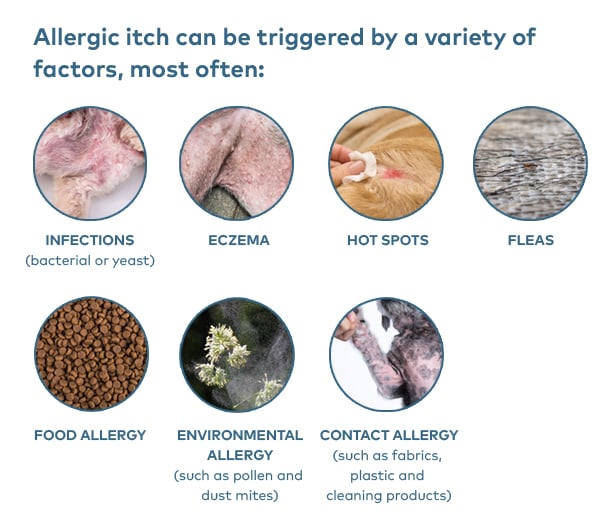
Control fleas year-round to avoid allergies and skin problems. Use vet-approved flea preventatives on schedule. Maintain a healthy diet to support skin and immune health. Regular grooming removes fleas and soothes irritation. Observe your dog for any early signs of allergies. Long-term care improves your dog’s comfort and quality of life.
Credit: nextmune.com
Frequently Asked Questions
Will Benadryl Help A Dog With Flea Allergies?
Benadryl may reduce mild itching in dogs with flea allergies but often doesn’t fully relieve symptoms. Consult a vet for proper treatment.
Can Fleas Cause Vomiting In Dogs?
Yes, fleas can cause vomiting in dogs by transmitting diseases, carrying parasites like tapeworms, or triggering allergic reactions. Flea infestations also cause stress and discomfort, leading to digestive upset. Improper use of flea treatments may result in toxicity and vomiting.
Always consult a vet for proper diagnosis and treatment.
What Does Flea Allergy Dermatitis Look Like On A Dog?
Flea allergy dermatitis on dogs causes intense itching, red, inflamed skin, hair loss, and scabs, especially near the tail and neck.
Can Fleas Cause Sores?
Yes, fleas can cause sores by biting and irritating the skin. Scratching and allergic reactions worsen these sores.
Conclusion
Distinguishing fleas from allergies is key to helping your dog feel better. Both cause itching and discomfort but need different treatments. Watch for signs like scratching, redness, or vomiting. A vet’s advice ensures the right diagnosis and care. Early action prevents more problems and helps your dog stay happy and healthy.
Remember, understanding symptoms leads to quicker relief and comfort for your pet.
