Bringing a new puppy home is exciting, but it also comes with big responsibilities—especially when it comes to feeding. You want to give your puppy the best start in life, but knowing exactly what to feed during that crucial first month can feel overwhelming.
What foods will help your puppy grow strong and healthy? How often should you feed them? And what should you absolutely avoid? This guide will answer these questions and more, helping you confidently nourish your furry friend during their first weeks with you.
Keep reading to discover simple, effective feeding tips that will set the foundation for a happy, thriving puppy.
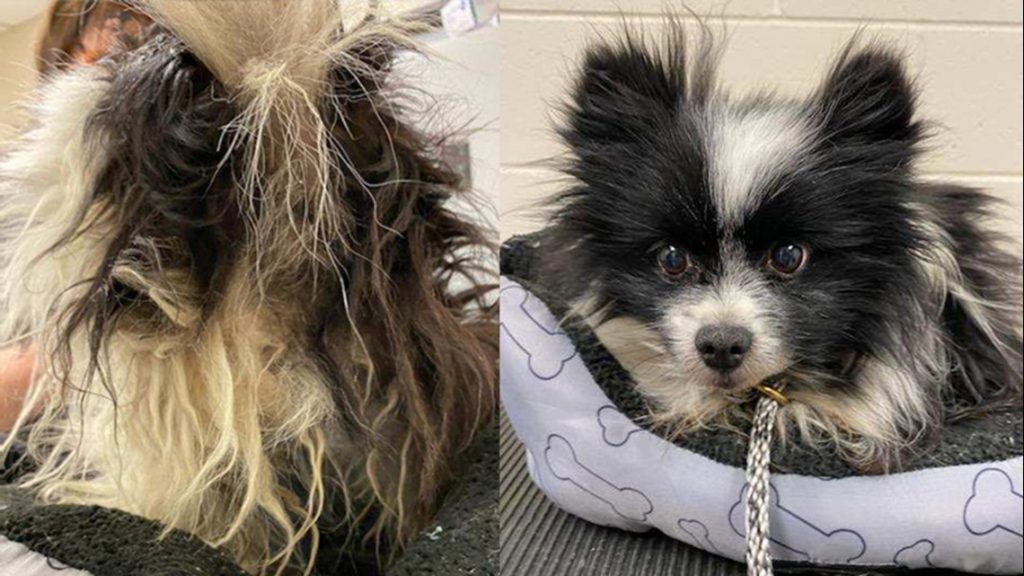
Credit: idahohumanesociety.org
Puppy’s First Days
The first days with a new puppy are full of adjustment and learning. Your puppy faces new sounds, smells, and sights in your home. It is important to make these early days calm and safe. A smooth start helps your puppy feel secure and loved. This sets the tone for their growth and training.
Creating A Calm Space
Set up a quiet area just for your puppy. Use a soft bed and keep the space free from loud noises. This spot acts as a safe zone where your puppy can rest. Avoid placing the bed near busy rooms or loud appliances. A calm space helps reduce fear and stress in your new puppy.
Handling Stress And Behavior
Puppies may hide, whine, or eat less at first. These behaviors show they feel nervous or unsure. Speak softly and move slowly around your puppy. Give gentle pets and avoid forcing interaction. Watch your puppy’s body language to understand their comfort level. Patience helps your puppy adjust to new routines and surroundings.
Minimizing Visitors
Limit the number of visitors during the first days. Too many people can overwhelm a young puppy. Ask friends and family to wait until your puppy feels settled. Keep visits short and calm when they do happen. This helps your puppy build trust and reduces anxiety in a new environment.

Credit: www.chspets.com
Feeding Essentials
The first month after adopting a puppy is critical for their growth. Proper feeding gives them the nutrients they need. It supports strong bones, healthy skin, and a good immune system. Understanding what to feed your new puppy helps you avoid common mistakes. This guide covers the basics of feeding during the first month.
Mother’s Milk Benefits
Mother’s milk is the best food for newborn puppies. It contains all the nutrients needed for healthy development. It also has antibodies that protect puppies from diseases. Puppies digest mother’s milk easily. This milk helps build a strong bond between the mother and puppies. Feeding on mother’s milk supports proper brain and organ growth.
Using Puppy Milk Replacer
Sometimes, mother’s milk is unavailable. Puppy milk replacer is the best substitute. It mimics the nutrients found in mother’s milk. Use a high-quality replacer made for puppies only. Follow the instructions carefully to mix and feed the right amount. Warm the milk replacer to body temperature before feeding. Use a clean bottle or syringe for feeding. Feed small amounts often to avoid upset stomach.
Avoiding Cow’s Milk
Cow’s milk is not suitable for puppies. It lacks essential nutrients puppies need to grow. It can cause diarrhea and stomach pain. Cow’s milk has high lactose, which puppies cannot digest well. Avoid giving cow’s milk to keep puppies healthy. Stick to mother’s milk or puppy milk replacer for feeding.
Starting Weaning
Starting the weaning process is an important step in your puppy’s first month after adoption. This transition helps your puppy move from mother’s milk to solid food. It supports healthy growth and development. Proper weaning sets the foundation for good eating habits and nutrition.
During this time, your puppy’s digestive system adjusts. Introducing soft, easy-to-digest food is crucial. It helps prevent stomach upset and encourages eating. Patience and gentle guidance make this phase smooth for your puppy.
Introducing Soft Food
Begin by offering soft, moist food. Use puppy-specific wet food or moisten dry kibble with warm water. This creates a mushy texture that is easy to chew and swallow. Serve small amounts to avoid overwhelming your puppy. Watch for signs of interest and appetite.
Feeding Frequency
Feed your puppy four to six small meals daily. Frequent meals provide steady energy and support growth. Avoid large meals that may cause discomfort. Keep feeding times consistent to build a routine. Puppies thrive with regular, predictable schedules.
Gradual Food Transition
Switch to solid food gradually over one to two weeks. Slowly reduce the amount of milk or formula while increasing soft food. This helps the puppy’s stomach adjust without distress. Observe your puppy’s reaction to changes. Adjust the pace if needed for comfort.
Monitoring Health
Monitoring your puppy’s health in the first month after adoption is essential. This period is critical for their growth and adjustment to a new diet and environment. Careful observation helps catch any early signs of health problems. It also ensures your puppy is thriving and adapting well to their new home.
Watching For Digestive Issues
Keep an eye on your puppy’s stool and appetite. Loose stools, vomiting, or refusal to eat can signal digestive problems. These issues may arise from a sudden diet change or infections. Early detection allows for quick action and proper care. Maintain a consistent feeding schedule with suitable puppy food to reduce risks.
Daily Weight Checks
Weigh your puppy every day using a small scale or a regular scale with support. Steady weight gain shows good health and proper nutrition. Sudden weight loss or no gain could indicate illness or feeding problems. Record the weight to track progress and share it with your veterinarian. This simple step helps you stay informed about your puppy’s growth.
Consulting A Veterinarian
Schedule a vet visit soon after adoption for a thorough health check. Discuss your puppy’s diet, weight, and any concerns you notice. The vet can recommend the best food and feeding routine. Regular check-ups help prevent diseases and ensure vaccinations are up to date. Trust professional advice to keep your puppy strong and healthy.
Establishing Routine
Establishing a routine is essential for your puppy’s first month after adoption. It helps your new pet feel safe and understand what to expect daily. A steady routine supports their health, training, and emotional well-being. This early structure sets the foundation for good habits and a happy life together.
Consistent Feeding Schedule
Feed your puppy at the same times every day. Puppies need small, frequent meals to support growth. A regular schedule helps digestion and prevents overeating. Use high-quality puppy food to meet nutritional needs. Avoid sudden changes in diet to prevent stomach upset. Consistency reassures your puppy and builds trust.
Potty Training Tips
Take your puppy to the same potty spot after eating and sleeping. Use a leash to keep them focused on the task. Watch closely for signs they need to go, like sniffing or circling. Praise and reward immediately after they eliminate outside. If accidents happen, clean thoroughly to remove odors. Patience and repetition make potty training successful.
Building A Strong Bond
Spend quiet time with your puppy daily. Gentle petting and soft talking create comfort. Play simple games to encourage interaction and trust. Respond kindly to your puppy’s needs and signals. A strong bond helps your puppy feel secure and loved. This connection supports training and emotional growth.
Credit: humanebroward.com
Behavioral Changes
Bringing a new puppy home changes more than just your daily routine. Puppies often show many behavioral changes during their first month. These changes reflect how they adapt to their new surroundings and diet. Understanding these behaviors helps you support your puppy’s growth and comfort.
Settling In Signs
At first, your puppy may act shy or nervous. They might hide or stay quiet. Eating and drinking may happen in small amounts. These signs show your puppy is adjusting to their new home. They need a calm, safe space without loud noises or too many people. Giving them time and patience helps them feel secure.
Managing Behavior Issues
As your puppy gets comfortable, some behavior problems may appear. Chewing on furniture or nipping is common. These behaviors happen because puppies explore and test limits. Setting clear rules and routines is important. Be consistent with feeding times and play sessions. This consistency helps your puppy learn what to expect and what is allowed.
Positive Reinforcement
Reward good behavior with treats or praise right away. This helps your puppy know what you like. Positive reinforcement builds trust and encourages repeat behavior. Avoid punishment, which can make your puppy scared or confused. Use gentle words and rewards to guide your puppy’s actions. This approach creates a happy, confident pet.
Social Integration
Social integration is crucial during your puppy’s first month after adoption. It helps your puppy feel safe and loved in their new home. This phase builds the foundation for a happy and well-adjusted dog. Careful attention to trust, routine, and play will make a big difference.
Encouraging Trust
Trust grows when your puppy feels calm and secure. Speak softly and move slowly around them. Offer gentle pets and treats to create positive experiences. Avoid sudden loud noises or harsh actions. Let your puppy come to you at their own pace. This patience builds a strong bond and reduces fear.
Routine And Security
Set a daily schedule for feeding, walking, and resting. Puppies thrive on routine; it gives them a sense of control. Use the same feeding times and quiet areas for meals. A consistent routine helps your puppy feel safe and reduces anxiety. Keep their space clean and cozy to promote comfort and relaxation.
Ongoing Training And Play
Training and play help your puppy learn and grow. Use short, fun sessions to teach simple commands like “sit” or “come.” Praise and reward good behavior to encourage learning. Playtime releases energy and builds social skills. Choose gentle toys and safe games to keep your puppy engaged. Regular interaction strengthens your connection.
Frequently Asked Questions
What Is The 3 3 3 Rule For Puppy Adoption?
The 3-3-3 rule guides puppy adoption adjustment: 3 days for stress, 3 weeks to settle, 3 months to fully integrate.
What Is The 10-10-10 Rule For Puppies?
The 10-10-10 rule for puppies means 10 minutes of play, 10 minutes of training, and 10 minutes of rest daily. This balances activity and rest for healthy development.
Does A 1 Month Old Puppy Still Need Milk?
A 1-month-old puppy still needs milk for essential nutrients and antibodies. Use mother’s milk or a puppy milk replacer. Avoid cow’s milk, as it can harm their health. Begin introducing soft puppy food gradually while continuing milk feedings.
What Is The 5 Minute Rule For Puppies?
The 5-minute rule for puppies means limiting play or training sessions to five minutes. This prevents overstimulation and keeps their attention focused. Short, frequent sessions help puppies learn better and avoid frustration. Consistency and patience during these brief periods improve training success.
What Is The Best Food For A Puppy’s First Month?
Choose high-quality puppy food with balanced nutrients for growth and energy needs.
Conclusion
Feeding your puppy properly in the first month sets a strong foundation. Choose high-quality, age-appropriate food for their growth. Keep meals small and frequent to match their tiny stomachs. Fresh water should always be available for hydration. Monitor their eating habits and adjust as needed.
Consistency helps your puppy feel safe and secure. Patience during this time builds trust and healthy habits. A well-fed puppy grows happy and strong. Your care now shapes a lifetime of good health.
