
Bringing a new puppy home is an exciting experience, but nights can quickly become challenging. If your puppy is crying or restless in their crate at night, you’re not alone—and there’s a way to help both of you get the peaceful sleep you deserve.
Learning how to crate train a puppy at night is key to building good habits and making your furry friend feel safe and comfortable. In this guide, you’ll discover simple, effective steps to calm your puppy, create a cozy crate environment, and establish a bedtime routine that works.
Keep reading, and you’ll soon transform those sleepless nights into restful ones—for both you and your puppy.
Credit: www.preventivevet.com
Choosing The Right Crate
Choosing the right crate is the first step in successful night crate training. A well-chosen crate creates a safe, comfortable place for your puppy. It helps your puppy feel secure and calm during the night. The crate should suit your puppy’s size and personality. This section explains how to pick the best crate for your puppy.
Selecting The Proper Size
The crate must be the right size for your puppy. It should be big enough to stand up, turn around, and lie down comfortably. A crate that is too large can make the puppy feel unsafe. Too small, and the puppy will be cramped and unhappy. Use a crate with a divider if your puppy is still growing. This lets you adjust the space as your puppy gets bigger.
Creating A Cozy Space
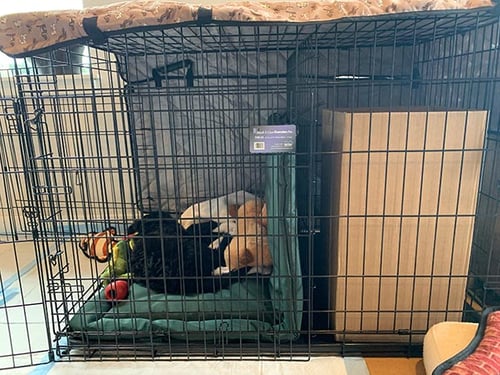
Make the crate feel warm and inviting. Add a soft bed or blanket for comfort. Avoid hard or cold surfaces. Include a toy that your puppy likes to help them relax. A piece of your clothing can add a comforting scent. Keep the crate in a quiet, low-traffic area. This reduces distractions and helps your puppy settle down for the night.
.jpg)
Credit: kdfoundation.org
Preparing The Crate For Nighttime
Preparing the crate for nighttime is a key step in helping your puppy feel safe and calm. A well-prepared crate becomes a cozy den that encourages restful sleep. This preparation reduces anxiety and helps your puppy settle quickly. Small details make a big difference in creating a comforting space.
Adding Comfortable Bedding
Choose soft, washable bedding that fits the crate size. Avoid thick or heavy blankets that block airflow. A cozy bed cushions your puppy from the hard floor. Change the bedding regularly to keep the crate fresh and clean. Comfortable bedding invites your puppy to relax and rest.
Including Soothing Toys
Select safe chew toys or soft plush toys to keep your puppy company. Toys distract and comfort your puppy during quiet hours. Avoid noisy or hard toys that may cause frustration. Rotate toys to keep your puppy interested. Soothing toys ease loneliness and provide gentle entertainment.
Using Your Scent For Comfort
Place a piece of your worn clothing inside the crate. Your scent calms your puppy and reduces stress. Avoid fresh or strongly scented clothes that might confuse your puppy. The familiar smell reassures your puppy that you are near. This simple step helps your puppy feel secure.
Covering The Crate
Cover the crate partially with a light blanket or crate cover. This creates a den-like environment that blocks excess light. Ensure proper airflow to prevent overheating. A covered crate feels safe and cozy to your puppy. Adjust coverage based on your puppy’s comfort and room temperature.
Establishing A Bedtime Routine
Establishing a bedtime routine helps your puppy feel safe and calm in the crate. It sets clear signals that bedtime is near. A steady routine makes nights smoother for both of you. Puppies thrive on predictability and comfort.
Consistent Sleep Schedule
Put your puppy to bed at the same time each night. This consistency helps their internal clock adjust. Avoid late-night play or feeding. A regular sleep schedule reduces anxiety and crying in the crate. Your puppy will learn when it is time to rest.
Pre-bedtime Exercise
Give your puppy some exercise before bedtime. A short walk or play session helps burn energy. Tired puppies settle quicker and sleep more soundly. Avoid intense exercise right before bed. Gentle activity calms them and prepares their body for sleep.
Calming Sounds
Use soft sounds to soothe your puppy at night. White noise or gentle music can mask sudden noises. This reduces startle responses and keeps your puppy calm. Some puppies find the sound of a ticking clock comforting. Keep volume low to avoid disturbance.
:max_bytes(150000):strip_icc()/how-to-crate-train-a-puppy-at-night-2-512161144-2000-68323cb5fbd24393bef573e4a3edcaa4.jpg)
Credit: www.dailypaws.com
Managing Nighttime Crying
Nighttime crying is a common challenge when crate training a puppy. It can test your patience and impact your sleep. Managing this crying carefully helps your puppy feel safe and learn to settle down. The goal is to address real needs while teaching calm behavior.
Checking For Needs First
Always check if your puppy needs to go outside. Puppies have small bladders and may need potty breaks during the night. Also, make sure your puppy is not hungry or thirsty. Look for signs of discomfort or pain. Meeting these basic needs can stop many cries.
Avoiding Punishment
Never punish your puppy for crying in the crate. Punishment can cause fear and worsen the problem. It may create a bad feeling about the crate. Stay calm and gentle. Your puppy needs comfort, not punishment.
Ignoring Short Whines
Short whining can be a way to get attention. Try to ignore brief cries if all needs are met. Responding every time can teach your puppy to cry more. Wait for a moment of quiet before giving attention. This helps your puppy learn calmness.
Rewarding Quiet Behavior
Praise your puppy when it is quiet in the crate. Use soft words or gentle petting to show approval. Rewarding calm behavior helps your puppy understand what you want. Positive reinforcement builds trust and good habits.
Gradual Independence Training
Gradual independence training helps your puppy feel safe alone at night. This process builds trust and confidence step-by-step. It prevents anxiety and crying in the crate. Patience and consistency are key for success.
Starting With Crate In Your Room
Place the crate inside your bedroom at first. Your puppy hears and smells you nearby. This closeness reduces fear and builds comfort. Let the puppy explore the crate during the day. At night, encourage them to sleep inside. Keep the crate door open initially to ease entry.
Increasing Distance Over Time
Move the crate farther from your bed slowly. Each night, increase the space by a few feet. Watch your puppy’s reactions closely. If they stay calm, continue moving the crate. If they cry, pause and stay closer longer. This slow change helps the puppy adjust comfortably.
Using Snuggle Puppies Or Alternatives
Introduce snuggle puppies or soft toys with warmth. These items mimic the feel of littermates. Some even have fake heartbeats to calm the puppy. If unavailable, use a stuffed animal with your scent. This comfort reduces loneliness and eases the transition. Always ensure the toy is safe and free of small parts.
Troubleshooting Common Issues
Troubleshooting common issues during nighttime crate training is key to success. Puppies often face challenges adjusting to their new sleeping space. Understanding these problems helps you respond calmly and effectively. Patience and consistency are your best tools.
Dealing With Persistent Crying
Persistent crying is normal at first. Your puppy may feel lonely or scared. First, check for basic needs: potty breaks, hunger, or thirst. Never punish your puppy for crying. Instead, soothe gently and calmly.
Try using a soft voice or a comforting touch. Avoid letting your puppy out of the crate immediately. This teaches patience and reduces crying over time. A consistent bedtime routine also helps calm your puppy.
Adjusting Crate Setup
The crate environment affects your puppy’s comfort. Ensure the crate is the right size—big enough to turn but cozy. Use a soft bed or blanket for warmth. Adding a toy with your scent or a heartbeat sound can ease anxiety.
Cover the crate partially with a breathable blanket to create a den-like space. Check room temperature; puppies get cold easily. Regularly inspect the crate for safety and cleanliness to keep it inviting.
When To Seek Professional Help
Some problems need expert advice. If crying lasts many nights despite your efforts, consult a trainer. Puppies with anxiety or behavioral issues may need special care. A professional can offer personalized strategies.
Veterinarians also help if your puppy shows signs of illness or pain. Early intervention improves your puppy’s well-being and speeds training progress. Don’t hesitate to ask for help when needed.
Frequently Asked Questions
What Is The Fastest Way To Crate Train A Puppy At Night?
Place the crate in your bedroom and sleep nearby to ease your puppy. Use a warm, heartbeat toy or a scented stuffed animal for comfort. Gradually increase distance over nights to speed training and help your puppy sleep calmly through the night.
How Do I Get My Puppy To Stop Crying At Night In His Crate?
Take your puppy out for a potty break before bedtime. Ensure the crate fits well and feels cozy with a soft bed, a comforting toy, and your scent. Cover the crate with a blanket to create a den-like space. Establish a consistent bedtime routine and provide enough daytime exercise.
What Is The 2 1 Rule For Crate Training?
The 2-1 rule for crate training means two hours awake per one hour in the crate. It helps balance activity and rest.
Should I Put My 8 Week Old Puppy In A Crate At Night?
Yes, crate your 8-week-old puppy at night to create a safe, cozy space. Use a comfortable bed, toys, and a blanket. Keep the crate size right and maintain a consistent bedtime routine to help your puppy adjust and feel secure.
How Long Does It Take To Crate Train A Puppy At Night?
Most puppies learn to stay in their crate overnight within 1 to 2 weeks with consistent training.
Conclusion
Crate training a puppy at night takes patience and consistency. Keep the crate cozy and secure for comfort. Attend to your puppy’s basic needs before bedtime. Use a calm, quiet routine to help your puppy settle. Avoid reacting to crying with punishment or frustration.
Over time, your puppy will learn to feel safe inside. This method builds trust and makes nights peaceful for both. Stick with the process, and success will follow.
