
If your dog has been diagnosed with a heart murmur, you might be feeling worried and unsure about what to expect. Recognizing the symptoms of a heart murmur in dogs is crucial because early detection can make a real difference in your furry friend’s health and happiness.
You may wonder how this condition will affect your dog’s quality of life or how long they can live with it. You’ll discover the common signs to watch for, what causes heart murmurs, and what treatment options are available to help your dog live comfortably.
Keep reading to learn how you can take the best care of your loyal companion through every step of this journey.
Signs Of Heart Murmurs
Heart murmurs in dogs may not always be obvious. Many dogs show subtle signs that owners might miss. Recognizing these signs early can help with timely veterinary care. Understanding the common symptoms helps you watch your dog closely and seek help when needed.
Visible Symptoms
Some heart murmurs cause visible changes in your dog’s body. Look for pale or bluish gums. Swelling in the legs or abdomen may appear. A weak or rapid pulse can be felt by gently touching the leg. Sometimes, fainting spells occur during activity or excitement.
Behavioral Changes
Dogs with heart murmurs often act differently. They may tire quickly during walks or play. Reduced interest in activities they once loved is common. Some dogs become more restless or anxious. You might notice increased sleeping or hiding in quiet places.
Respiratory Issues
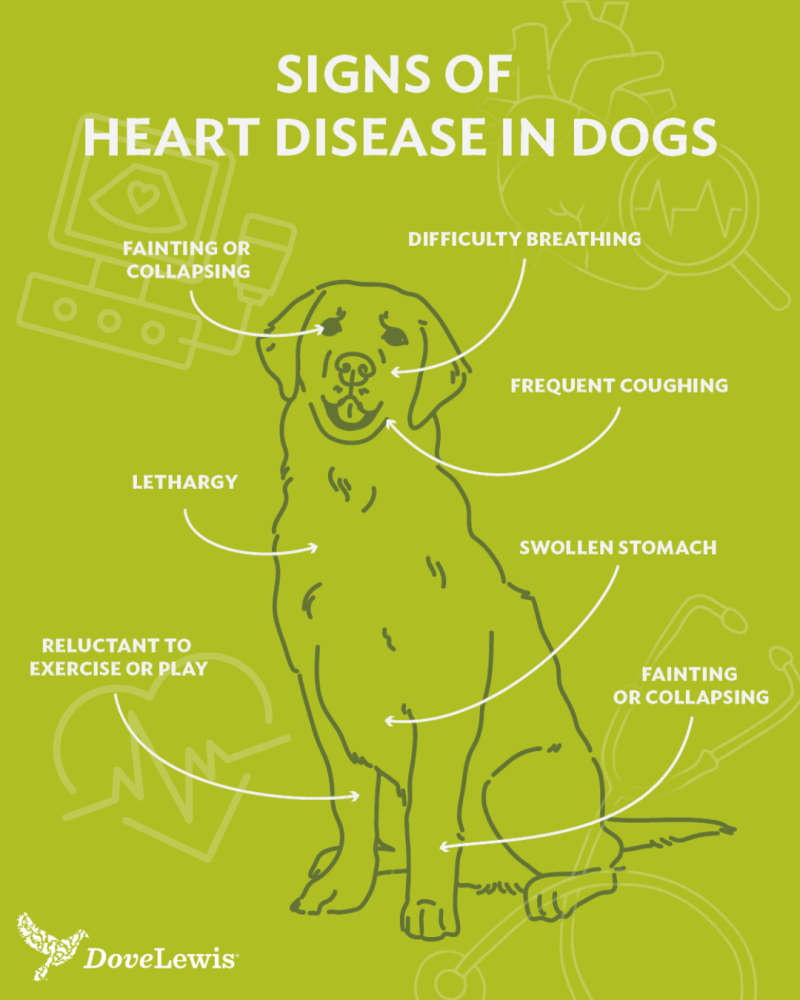
Breathing problems can signal a heart murmur in dogs. Watch for coughing, especially after exercise or at night. Rapid or labored breathing is a warning sign. Some dogs gasp or wheeze while resting. These symptoms suggest the heart struggles to pump blood efficiently.
Common Causes
Heart murmurs in dogs occur due to various underlying health issues. Understanding the common causes helps pet owners recognize symptoms early. Many causes relate to the heart’s structure or function. Some dogs are born with defects, while others develop problems later in life.
Congenital Defects
Some dogs are born with heart problems. These defects affect the heart’s normal structure. Examples include holes in the heart or abnormal blood vessels. These issues cause irregular blood flow, creating a murmur sound. Congenital defects often show symptoms early in a puppy’s life. Regular vet checkups can help detect these problems quickly.
Heart Valve Disease
Heart valve disease is common in older dogs. The valves control blood flow between heart chambers. When valves weaken or leak, blood flow becomes turbulent. This turbulence causes the murmur sound. Mitral valve disease is the most frequent type. It can lead to heart failure if untreated. Early diagnosis and treatment improve a dog’s quality of life.
Infections And Inflammation
Infections can damage the heart and cause murmurs. Bacterial infections may inflame heart tissues or valves. This inflammation disrupts smooth blood flow. Dogs with weakened immune systems are more at risk. Early treatment with antibiotics can reduce damage. Inflammation may also arise from immune system diseases. Prompt veterinary care is essential in these cases.
Murmur Severity Levels
Understanding the severity levels of heart murmurs in dogs helps pet owners grasp the potential impact on their pet’s health. Murmur severity varies widely, indicating different levels of concern and treatment needs. Knowing these levels guides better care and timely veterinary visits.
Grades Of Murmurs
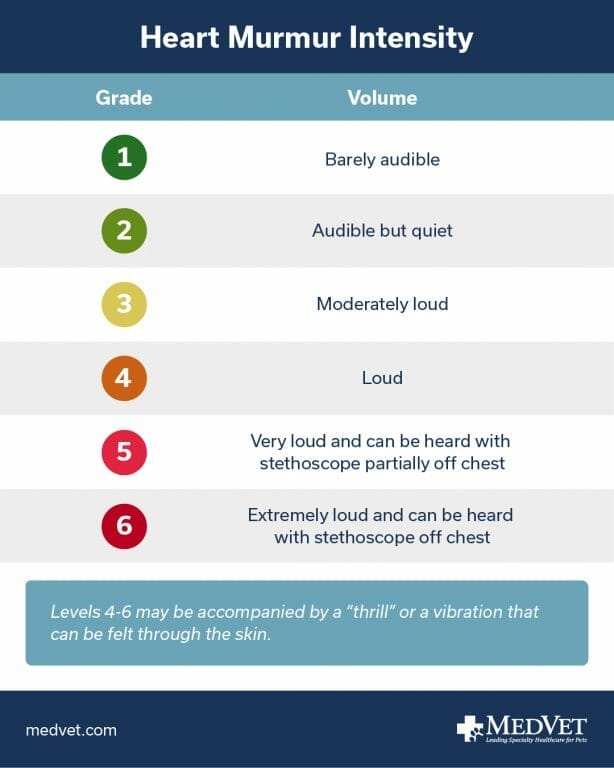
Heart murmurs in dogs are classified by grades from I to VI. Grade I murmurs are very soft and hard to hear. Grade VI murmurs are loud and can be felt by placing a hand on the chest. The higher the grade, the louder and more serious the murmur tends to be.
Grades I and II often indicate mild issues or benign murmurs. Grades III and above may suggest more serious heart problems. A vet will assess the grade to decide the next steps for diagnosis and treatment.
Benign Vs Pathological
Benign murmurs cause no harm and often do not need treatment. These murmurs usually appear in young or healthy dogs and may disappear over time. They do not affect the dog’s lifespan.
Pathological murmurs signal an underlying heart disease or defect. These murmurs require veterinary attention and possible treatment. Early diagnosis improves the chances of managing the condition effectively. The dog’s quality of life depends on the cause and severity of the murmur.
Credit: www.medvet.com
Diagnostic Methods
Detecting a heart murmur in dogs requires accurate diagnostic methods. These tests help veterinarians understand the murmur’s cause and severity. Early diagnosis improves treatment options and dog’s quality of life.
Physical Examination
The vet listens to the dog’s heart using a stethoscope. They check the murmur’s timing, location, and intensity. This exam helps to identify abnormal heart sounds. The vet also looks for signs like coughing or breathing issues.
Imaging Techniques
X-rays and ultrasound are common imaging tools. X-rays show heart size and lung condition. Ultrasound (echocardiography) gives a detailed view of heart structures. It helps to see valve problems or blood flow issues. These images guide diagnosis and treatment plans.
Blood Tests
Blood tests assess overall health and organ function. They can detect infections or other diseases affecting the heart. Some tests measure heart-specific enzymes or proteins. These markers help confirm heart disease and monitor treatment effects.
Treatment Options
Treating a heart murmur in dogs depends on its cause and severity. Treatment aims to improve heart function and quality of life. Options range from simple medication to surgery and lifestyle changes. Each dog’s needs differ, so a vet’s advice is crucial.
Medication Management
Medications help control symptoms and support the heart. Common drugs include diuretics to reduce fluid buildup. ACE inhibitors relax blood vessels and lower blood pressure. Sometimes, drugs improve heart muscle strength. Regular vet visits ensure the right dosage and monitor progress.
Surgical Interventions
Surgery may be needed for certain heart defects or valve problems. Procedures fix or replace damaged heart parts. Surgery can improve blood flow and reduce murmur severity. Not all dogs qualify, but those who do often see better health. A vet will assess risks and benefits carefully.
Lifestyle Adjustments
Adjusting your dog’s daily routine supports heart health. Limit intense exercise to avoid strain. Provide a balanced diet low in salt to reduce fluid retention. Keep your dog calm and stress-free. Regular check-ups help catch changes early. Small changes can make a big difference in comfort and longevity.
Life Expectancy Factors
Life expectancy for dogs with heart murmurs depends on several key factors. Understanding these can help pet owners manage their dog’s health better. Each dog’s situation is unique, influenced by the murmur’s cause, its severity, and how early treatment begins.
Impact Of Murmur Cause
The cause of a heart murmur greatly affects a dog’s lifespan. Innocent or benign murmurs do not harm the dog. Dogs with these murmurs usually live normal lives without issues. Pathological murmurs signal underlying heart problems. The specific heart condition behind the murmur decides the prognosis. Some conditions are manageable, while others may be serious and reduce life expectancy.
Effect Of Severity
The severity of the murmur also impacts life expectancy. Mild murmurs, often graded I or II, tend to have a better outlook. These dogs can often live many years with little impact on health. Severe murmurs, graded III or higher, usually point to advanced heart disease. Dogs with severe murmurs may experience shorter lifespans depending on how the disease progresses.
Role Of Early Treatment
Early diagnosis and treatment play a vital role in extending a dog’s life. Starting treatment soon after detecting a murmur can slow disease progression. Proper medication and care improve quality of life and survival time. Regular veterinary check-ups help monitor the condition and adjust treatment as needed. Timely care gives many dogs a chance to live comfortably for years.
Managing Advanced Cases
Managing advanced cases of heart murmurs in dogs requires careful attention and compassionate care. As the condition worsens, symptoms become more apparent and treatment focuses on comfort and stability. Understanding how to recognize signs and provide appropriate care can help improve your dog’s well-being during this stage.
Signs Of Heart Failure
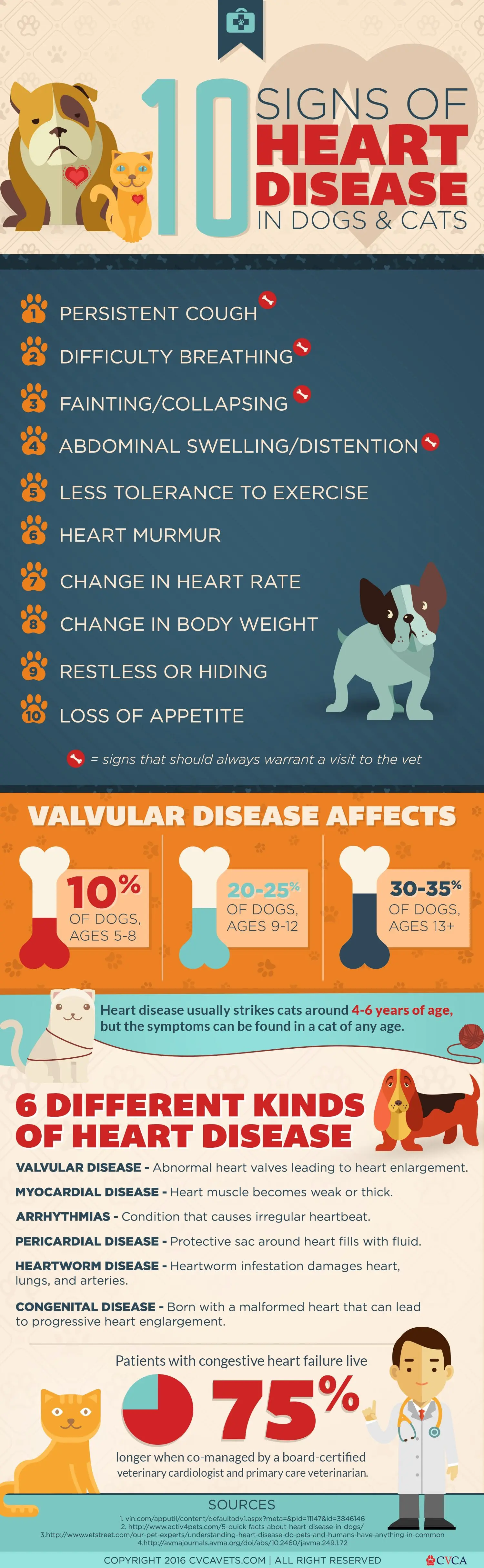
Heart failure shows clear signs in dogs with advanced murmurs. They may tire quickly during walks or play. Coughing, especially at night, can occur due to fluid buildup. Breathing may become fast or labored. Swollen abdomen or limbs might appear from fluid retention. Loss of appetite and weight can also be seen. These signs mean the heart struggles to pump blood effectively.
Palliative Care
Palliative care aims to ease symptoms and improve comfort. Veterinarians may prescribe medications to reduce fluid buildup and support the heart. Low-sodium diets can help decrease strain on the heart. Gentle exercise keeps muscles active without overexertion. Regular check-ups monitor changes and adjust treatments. Pain management and stress reduction are vital. This care does not cure but helps maintain quality of life.
Quality Of Life Considerations
Focus on your dog’s happiness and comfort daily. Provide a calm, warm resting place. Avoid stressful situations and harsh physical activity. Monitor appetite and hydration closely. Keep routines simple and consistent to reduce anxiety. Observe for any sudden changes in behavior or symptoms. Discuss with your vet about when to consider more supportive care or humane options. Quality of life is the most important goal at this stage.
Credit: www.cvcavets.com
Preventive Measures
Preventing heart murmurs in dogs involves careful attention to their overall health. Early actions can reduce risks and help keep your dog’s heart strong. These measures support a healthy heart and improve your pet’s quality of life.
Regular Vet Checkups
Schedule routine visits to the veterinarian. These checkups help detect heart murmurs early. Early detection allows for timely treatment and better outcomes. Vets can listen to your dog’s heart and recommend tests. Regular exams keep track of any changes in heart health.
Healthy Diet And Exercise
Feed your dog a balanced diet rich in nutrients. Proper nutrition supports heart function and overall wellness. Avoid foods high in fat and salt. Exercise your dog daily to maintain a healthy weight. Physical activity strengthens the heart and improves circulation. Tailor exercise to your dog’s age and breed.
Monitoring For Recurrence
Observe your dog for signs of heart problems regularly. Watch for coughing, fatigue, or difficulty breathing. Keep a record of any unusual symptoms or behavior changes. Share these observations with your vet during visits. Early detection of recurrence can prevent complications and improve care.
Credit: www.dovelewis.org
Frequently Asked Questions
How Long Can Dogs Live With Heart Murmurs?
Dogs with benign heart murmurs often live normal lifespans. Serious murmurs shorten life to months or years. Early treatment improves quality and longevity.
What Is The Best Treatment For A Heart Murmur In Dogs?
The best treatment for a dog’s heart murmur depends on its cause and severity. Veterinarians may prescribe medications like Vetmedin or recommend surgery for some defects. Early diagnosis and proper management improve quality of life and survival. Regular veterinary check-ups are essential for monitoring.
What To Avoid If Your Dog Has A Heart Murmur?
Avoid strenuous exercise and stress to prevent worsening your dog’s heart murmur. Limit salt intake and avoid overfeeding. Do not skip veterinary check-ups or prescribed medications. Prevent exposure to heat and extreme cold. Avoid sudden excitement or anxiety that strains the heart.
What Are Common Heart Murmur Symptoms In Dogs?
Common symptoms include coughing, fatigue, difficulty breathing, and fainting. Some dogs may show no signs. Early detection is key for treatment success.
Conclusion
Heart murmurs in dogs need careful attention and regular vet visits. Watch for signs like coughing, fatigue, or breathing trouble. Early care helps manage symptoms and improves your dog’s comfort. Some murmurs are harmless, but others need treatment to avoid serious problems.
Proper medication and check-ups can extend your pet’s life. Stay alert and keep your dog’s heart health a priority.
