Dehydration in dogs isn’t just uncomfortable—it can quickly turn dangerous. If you care about your furry friend’s health, you want to make sure they stay properly hydrated every day.
But how can you tell if your dog is drinking enough water? What simple steps can you take to prevent dehydration, especially during hot days or after exercise? You’ll discover easy, practical tips that help keep your dog’s hydration levels in check.
By the end, you’ll know exactly how to protect your pet from the risks of dehydration and keep their tail wagging happily. Keep reading to learn the best ways to prevent dehydration in your dog!
Signs Of Dehydration
Recognizing the signs of dehydration in dogs is crucial for their health. Dogs cannot tell us when they feel thirsty or weak. Early detection helps prevent serious problems. Watch closely for changes in behavior and physical signs. A simple skin test can also reveal dehydration. Here are key signs to observe.
Behavioral Changes
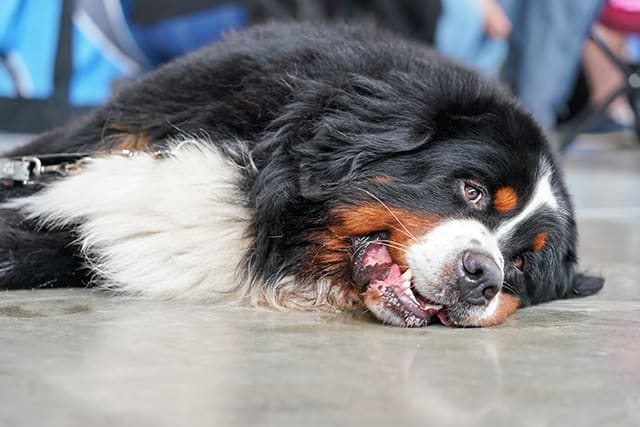
Dehydrated dogs often act differently. They may seem tired or less active than usual. Restlessness or irritability can also appear. Your dog might seek cool places to lie down. Loss of appetite is another common sign. These changes indicate your dog needs more fluids.
Physical Symptoms
Look for dry nose and gums, which signal dehydration. Gums may feel sticky or tacky instead of moist. Sunken eyes can also be a warning. Heavy panting or rapid breathing is common. In severe cases, weakness or collapse may occur. These symptoms need immediate attention.
Skin Elasticity Test
This test is easy and effective at home. Gently pinch the skin on the back of your dog’s neck. Quickly release the skin and watch how fast it returns to normal. If the skin stays tented or returns slowly, dehydration is likely. Normal skin snaps back immediately.
Credit: wagwalking.com
Water Access Strategies
Ensuring your dog has easy access to water is key to preventing dehydration. Dogs may not drink enough if water is hard to find or not appealing. Using smart water access strategies encourages regular drinking. These simple tips help keep your dog hydrated and healthy.
Fresh Water Availability
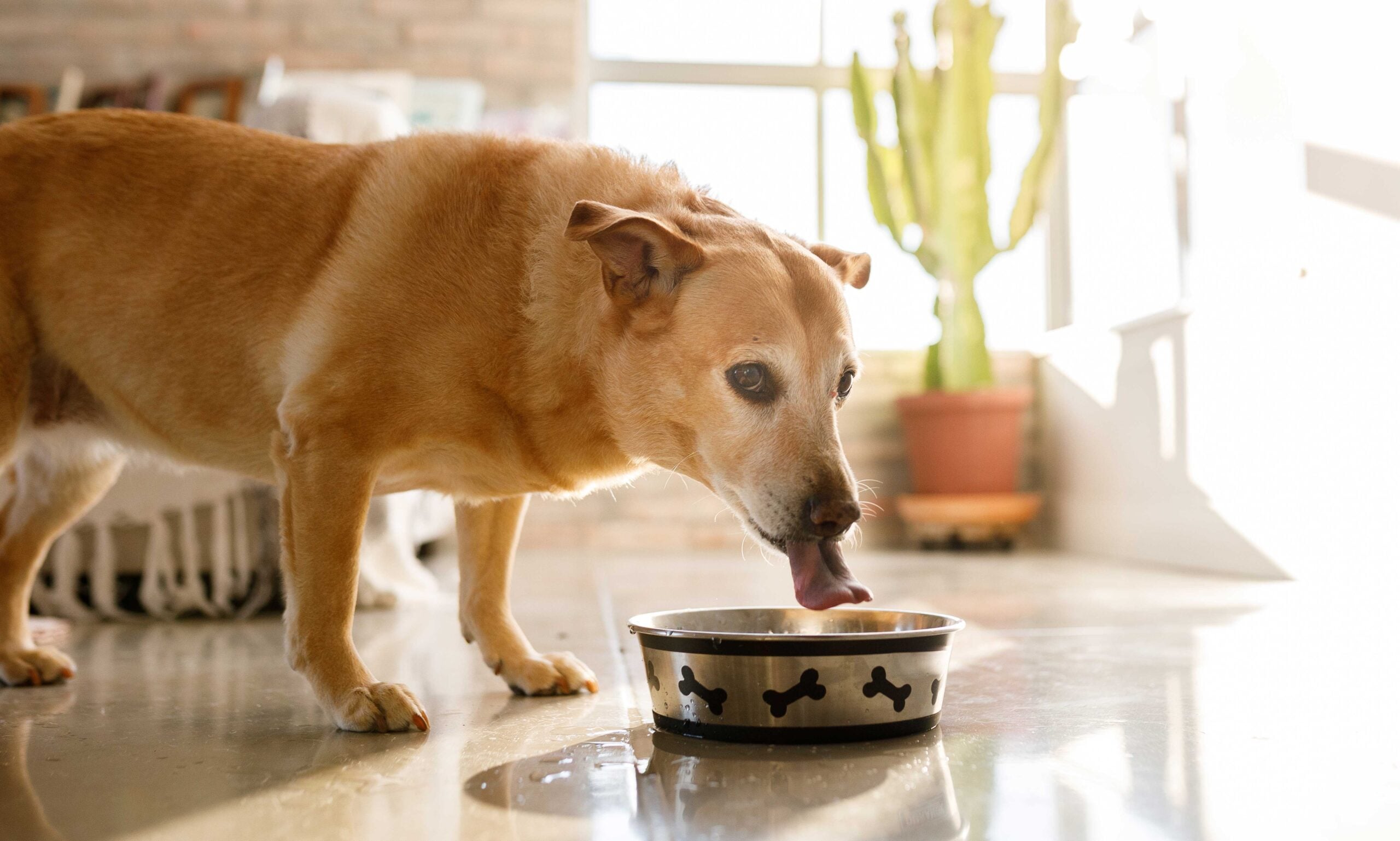
Always provide fresh, clean water for your dog. Change the water at least once a day. Clean the bowl regularly to avoid bacteria build-up. Fresh water tastes better and invites your dog to drink more often. Avoid stagnant or dirty water which can discourage drinking.
Multiple Water Bowls
Place several water bowls around your home and yard. This makes water easy to find wherever your dog is. Some dogs prefer drinking in certain spots. Multiple bowls help avoid competition if you have more pets. Keep all bowls filled and clean for best results.
Pet Water Fountains
Pet water fountains keep water moving and fresh. The sound and flow can attract some dogs to drink more. Fountains also filter the water, keeping it clean. Choose a fountain that is easy to clean and quiet. Many dogs enjoy lapping from fountains over still bowls.
Portable Water Solutions
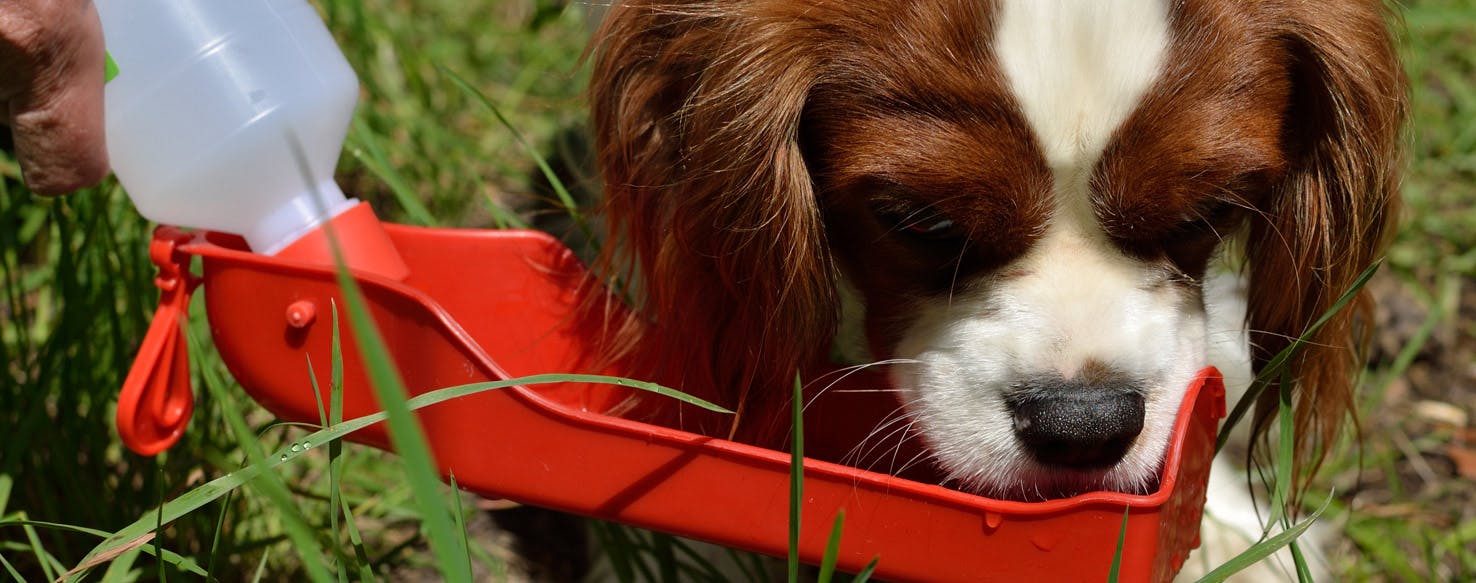
Carry water and a bowl when you take your dog outside. Use a collapsible bowl or a pet water bottle with an attached dish. This ensures your dog can drink during walks or travel. Portable water helps prevent dehydration in hot weather or during exercise. Always offer water breaks on long outings.
Boosting Water Intake With Food
Boosting your dog’s water intake through food is a smart way to prevent dehydration. Dogs often get more hydration from their meals than their water bowls alone. Increasing moisture in their diet helps keep them hydrated, especially during hot days or after exercise.
Changing how you serve your dog’s food can make a big difference. Adding water to dry kibble or switching to wet food can increase their fluid intake. These simple changes encourage drinking and improve hydration naturally.
Adding Water To Dry Food
Add a small amount of water to your dog’s dry food. This softens the kibble and increases moisture. Start with a few tablespoons and adjust based on your dog’s preference. This method makes food tastier and encourages more fluid intake.
Use lukewarm water for comfort, especially in colder weather. Allow the kibble to soak for a few minutes to absorb water well. This trick also helps dogs with dental issues or those who eat too fast.
Switching To Wet Food
Wet dog food contains up to 80% water, much more than dry kibble. Feeding wet food boosts hydration naturally without extra effort. It also tends to be more appealing to dogs due to its smell and texture.
Choose high-quality wet food with balanced nutrients. Gradually mix wet food with dry to avoid digestive upset. This change supports hydration and can improve overall health and energy levels.
Hydrating Treats And Snacks
Hydrating treats and snacks provide extra moisture to your dog’s diet. They help keep dogs refreshed and support healthy hydration. These treats offer a tasty way to increase water intake without forcing your dog to drink more water. Using natural and safe options makes hydration enjoyable and effective.
Dog-safe Fruits And Vegetables
Many fruits and vegetables have high water content and are safe for dogs. Examples include watermelon, cucumbers, and cantaloupe. These foods hydrate dogs while giving vitamins and fiber. Cut them into small pieces for easy chewing. Avoid toxic foods like grapes, onions, and avocados.
Ice Cubes And Frozen Treats
Ice cubes are simple and fun treats for dogs. Some dogs enjoy licking or chewing ice cubes on hot days. You can freeze low-sodium broth or pureed fruits into ice cubes. These frozen treats cool dogs down and provide extra fluids. Always supervise your dog with ice to prevent choking.
Low-sodium Broth Additions
Adding low-sodium broth to your dog’s water or food encourages drinking. Chicken or beef broth adds flavor and moisture without harmful salt. Use small amounts to avoid upsetting your dog’s stomach. This method works well for picky drinkers or dogs recovering from illness.
Specialized Hydrating Treats
Specialized treats like “pupsicles” combine hydration and fun. These frozen snacks often contain dog-safe ingredients and extra water. You can buy them or make homemade versions using broth and fruits. These treats motivate dogs to hydrate, especially in warm weather or after exercise.
Hydration During Activity And Travel
Keeping your dog hydrated during activity and travel is crucial to prevent dehydration. Dogs lose water quickly through panting and exercise. Providing easy access to water helps maintain their energy and health. Prepare ahead to keep your dog well hydrated on the move.
Water On The Go
Always carry fresh water for your dog during walks or trips. Use a portable water bottle and a collapsible bowl. Offer water breaks every 15 to 30 minutes during exercise. Avoid letting your dog drink from unknown sources like puddles or lakes. Clean water keeps your dog safe and hydrated.
Keeping Cool In Hot Weather
Heat increases the risk of dehydration in dogs. Limit outdoor activity during the hottest parts of the day. Provide shade and rest breaks often. Use cooling mats or damp towels to lower body temperature. Never leave your dog in a parked car. Cool environments reduce water loss and protect your dog’s health.
Helping Sick Or Vulnerable Dogs Stay Hydrated
Helping sick or vulnerable dogs stay hydrated is crucial for their recovery and well-being. These dogs may not drink enough water on their own due to illness, age, or weakness. Caregivers must take extra steps to ensure they get enough fluids. Proper hydration supports their immune system and helps maintain body functions.
Small, frequent amounts of water often work better than large quantities at once. Monitoring their hydration levels can prevent serious health issues like kidney problems or heatstroke. Below are practical methods to encourage drinking and safe ways to rehydrate these dogs effectively.
Encouraging Drinking
Place fresh water bowls in several easy-to-reach spots. Change the water often to keep it clean and fresh. Some dogs prefer running water, so try a pet water fountain. Adding a splash of low-sodium broth can make water more appealing. Offer wet food or add water to dry kibble to increase fluid intake. Ice cubes or frozen treats made from broth or fruit juice can also encourage licking and drinking.
Safe Rehydration Methods
For dogs too weak to drink, use a syringe or dropper to give small amounts of water slowly. Avoid forcing water, which might cause choking. Oral rehydration solutions made for pets can help replace lost electrolytes. Always consult a vet before using these solutions. In severe dehydration cases, professional veterinary care is necessary for intravenous fluids. Watch for signs like dry gums, sunken eyes, or lethargy to act quickly.
Preventing Dehydration Year-round
Preventing dehydration in dogs throughout the year requires consistent care and attention. Dogs lose water not only through heat but also during colder months and physical activity. Keeping your dog well-hydrated supports their overall health and energy levels. Simple steps can help maintain proper hydration regardless of the season.
Regular Monitoring
Check your dog’s water bowl often to ensure it is full and clean. Watch for signs of dehydration such as dry gums, lethargy, or sunken eyes. Monitor how much your dog drinks daily and note any changes. Early detection helps prevent serious dehydration problems. Keep a close eye on puppies and senior dogs, as they are more vulnerable.
Adjusting For Weather And Activity
Increase water availability during hot weather or after exercise. Dogs pant and sweat through their paws, losing moisture quickly. On cold days, dogs may drink less but still need water to stay hydrated. Offer water before, during, and after walks or playtime. Adjust your dog’s water intake based on their activity level and the climate.
Credit: www.memphisveterinaryspecialists.com
Credit: www.chewy.com
Frequently Asked Questions
How Do You Rehydrate A Dog?
Offer fresh, clean water in multiple bowls around your home. Add water to dry food or provide wet food. Give hydrating treats like watermelon or ice cubes. Use low-sodium broth to encourage drinking. Always monitor your dog’s intake to prevent dehydration.
How Does A Dog Act When Dehydrated?
A dehydrated dog acts lethargic, drinks less, has dry gums, sunken eyes, and may pant excessively. They can also show loss of appetite and weakness.
How Can I Tell If My Dog Is Dehydrated?
Look for dry gums, sunken eyes, lethargy, and loss of skin elasticity as dehydration signs.
What Are The Best Ways To Keep Dogs Hydrated?
Provide fresh water, use multiple bowls, add water to food, and offer hydrating treats.
Can Certain Foods Help Prevent Dog Dehydration?
Yes, wet food, watermelon, cucumbers, and low-sodium broth increase hydration in dogs.
Conclusion
Preventing dehydration keeps your dog healthy and happy. Always offer fresh water and check bowls often. Place water bowls in many spots around your home. Adding wet food or water to dry kibble helps hydration too. Treat your dog with safe, juicy fruits or ice cubes.
Carry water on walks and trips for safety. Watch for signs like dry gums or tiredness. Acting early can avoid serious health problems. Keep these simple steps in mind every day. Your dog will thank you with more energy and joy.
