
Bringing a new puppy into your life is exciting, but those first three months are crucial for shaping a well-adjusted, confident dog. How you socialize your puppy during this early period can make all the difference in their behavior and happiness for years to come.
If you want your puppy to feel comfortable around people, other animals, and new environments, you need a clear plan—and that’s exactly what you’ll get here. This guide breaks down simple, effective steps to help you socialize your puppy safely and positively, even before their vaccinations are complete.
Keep reading to discover how to build your puppy’s confidence, reduce future fears, and create a strong, trusting bond right from the start. Your puppy’s best life begins now!

Credit: www.ecoparkcampogrande.com.br
Early Puppy Care
Early puppy care sets the foundation for a well-adjusted dog. The first three months are crucial. Puppies learn about their world and develop trust. Your calm and gentle approach helps them feel safe. This period requires patience and consistency. Meeting their basic needs and creating a secure environment matters most.
Creating A Safe Space
Provide a quiet, cozy area for your puppy. Choose a small room or a crate with soft bedding. This space acts as a retreat from noise and new experiences. Keep it free from hazards and distractions. Let your puppy explore it at their own pace. A safe space reduces stress and builds confidence.
Managing First Impressions
Introduce new people and pets slowly and calmly. Avoid overwhelming your puppy with many visitors at once. Use gentle voices and slow movements to ease fear. Allow the puppy to approach on their own terms. Early positive experiences shape good social behavior later.
Establishing Basic Routines
Set regular times for feeding, bathroom breaks, and play. Consistent routines help puppies feel secure and understand expectations. Start simple training like name recognition and gentle commands. Predictable schedules reduce anxiety and encourage good habits. Your puppy learns faster with clear daily patterns.
Introducing New Experiences
Introducing new experiences to your puppy during the first three months shapes their confidence. Early exposure helps them feel safe and curious about the world. Careful, gentle introductions build a calm and happy dog. Start small and keep each encounter positive. This period sets the tone for their social skills and behavior.
Meeting Different People
Introduce your puppy to a variety of people. Include men, women, children, and people of different appearances. Let your puppy see calm and friendly faces. Encourage gentle petting and soft voices. Avoid overwhelming your puppy with too many new people at once. Short, positive meetings help them trust humans.
Exploring Various Environments
Take your puppy to different places safely. Try quiet parks, busy streets, and grassy yards. Let them sniff and explore at their own pace. New environments teach your puppy to adapt. Carry your puppy if the area seems too busy or noisy. Each new place builds their confidence and curiosity.
Introducing Sounds And Surfaces
Expose your puppy to common sounds like traffic, vacuum cleaners, and doorbells. Play soft background noises at home to get them used to sounds. Let them walk on various surfaces such as grass, carpet, tile, and concrete. These experiences reduce fear of new noises and textures. Keep the exposure gentle and reward calm behavior.
Positive Training Techniques
Positive training techniques build trust and confidence in your puppy. These methods focus on rewarding good behavior instead of punishing mistakes. A happy puppy learns faster and enjoys the process. Using kindness and patience makes socialization easier during the first three months. Establishing clear rules helps puppies understand what is expected. Encouraging problem solving also boosts their mental skills. Below are key approaches to apply positive training.
Using Rewards And Praise
Rewards motivate puppies to repeat good behavior. Treats, toys, and kind words work well. Always give rewards right after the puppy does something good. This helps them connect the action with the reward. Praise with a happy voice makes your puppy feel safe and loved. Avoid scolding or harsh tones. Positive rewards teach your puppy what you want in a gentle way.
Setting Clear Boundaries
Clear boundaries help puppies understand limits. Use simple words and gestures to show rules. Be consistent with boundaries every day. For example, say “no” firmly but calmly if the puppy bites or jumps. Redirect bad behavior to a better action like sitting. Consistent rules reduce confusion and build good habits. Your puppy will learn what is allowed and what is not.
Encouraging Problem Solving
Problem solving helps puppies think and learn independently. Use puzzle toys or simple challenges to engage their minds. Let the puppy figure out how to get treats or toys on their own. This builds confidence and reduces boredom. Praise the puppy when they solve problems to encourage them. Mental stimulation is as important as physical play for healthy growth.

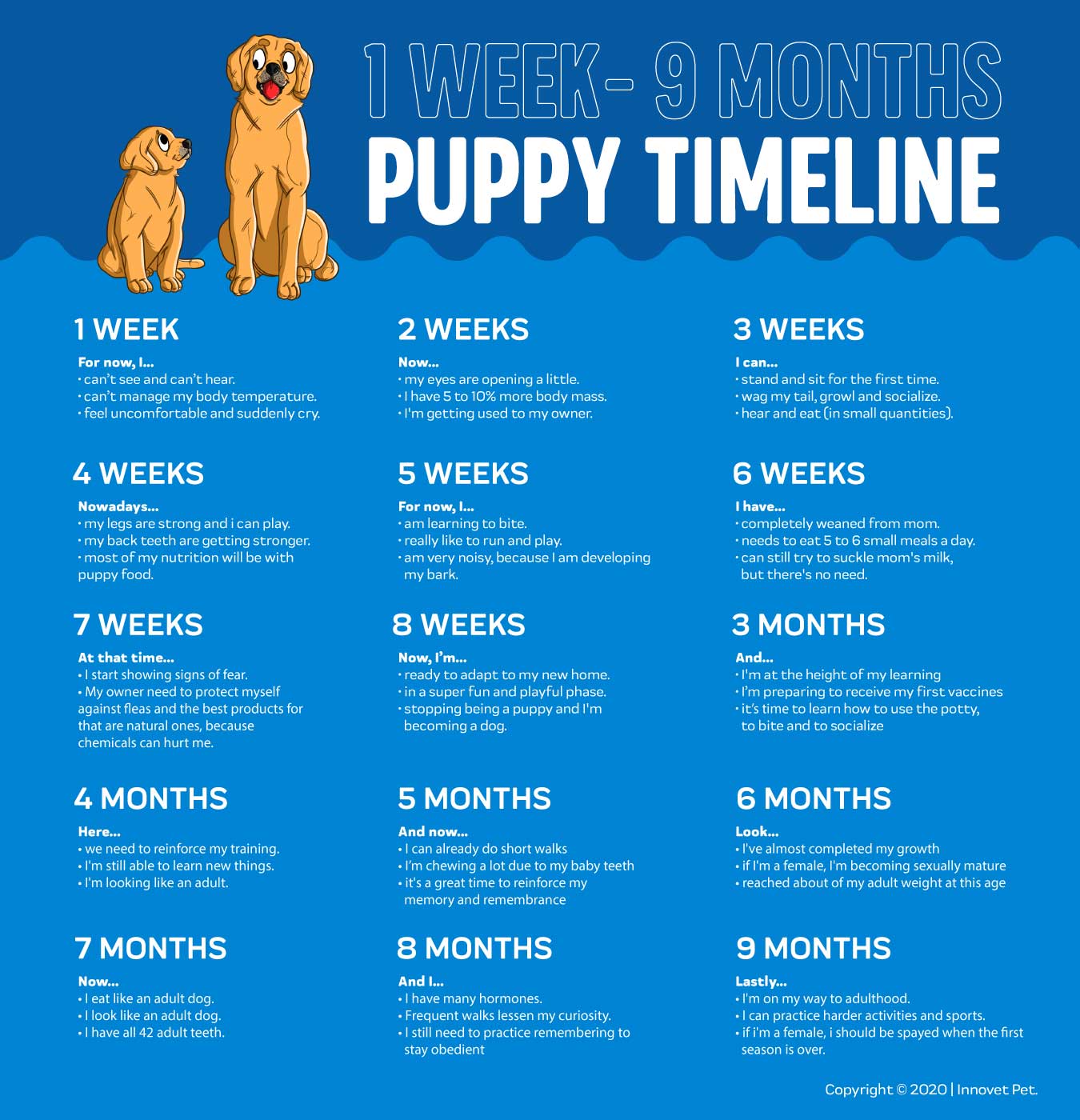
Credit: www.innovetpet.com
Socializing With Other Pets
Socializing a puppy with other pets helps them learn good behavior early. It builds trust and reduces fear around new animals. Early positive experiences with other pets lead to lifelong friendships. The first three months are crucial for these interactions. Proper socialization ensures your puppy grows confident and calm around others.
Slow Introductions
Start introductions in a calm, quiet space. Keep both pets on a leash or hold to control movements. Allow them to sniff and observe each other from a distance. Watch for signs of stress like growling or raised fur. Gradually shorten the distance as they feel more comfortable. Never force them to interact before they are ready.
Monitoring Interactions
Stay close and watch every move during playtime. Look for gentle behavior and positive body language. Interrupt play if it becomes too rough or one pet seems scared. Praise good behavior with treats or calm words. Keep sessions short at first to avoid overwhelming your puppy. Increase time together as they learn to get along.
Building Confidence
Encourage your puppy with praise and treats when meeting other pets. Let them explore at their own pace without pressure. Provide safe spaces where your puppy can retreat if needed. Positive experiences boost their confidence around animals. Confident puppies grow into friendly, well-adjusted adult dogs.
Safety And Health Precautions
Socializing a puppy in the first three months requires careful attention to safety and health. Puppies are vulnerable to illnesses and stress during this period. Protecting their health ensures positive social experiences. Follow clear precautions to keep your puppy safe while meeting new friends.
Vaccination Considerations
Ensure your puppy has started vaccinations before meeting other dogs. Puppies need protection from common diseases like parvovirus and distemper. Avoid public places until your vet confirms it is safe. Use controlled environments for early socialization to reduce infection risks. Keep vaccination records updated and follow your vet’s advice closely.
Controlled Social Settings
Choose calm, clean, and quiet places for puppy socialization. Avoid crowded areas that may overwhelm your puppy. Invite only healthy, vaccinated dogs to meet your puppy. Limit the number of new dogs and people in each session. Small groups reduce stress and help your puppy learn proper behavior safely.
Recognizing Stress Signals
Watch your puppy’s body language closely during social interactions. Signs of stress include trembling, yawning, licking lips, and hiding. If your puppy shows these signals, pause the socializing session. Give your puppy time to rest in a quiet spot. Gradual exposure helps build confidence without causing fear.
Building Lasting Bonds
Building lasting bonds with your puppy during the first three months is crucial. This period shapes their trust and comfort with you. Strong bonds make training easier and life happier for both.
Focus on gentle interactions and clear communication. Your puppy learns who you are and how to rely on you. Every moment together builds connection and confidence.
Consistent Play And Training
Play time is more than fun. It teaches your puppy how to interact and follow rules. Keep sessions short and regular to hold their attention. Use simple commands and reward good behavior. This helps your puppy link you to safety and joy.
Training during play strengthens your bond. It shows your puppy you care about their growth. Consistency in routines makes your puppy feel secure and loved.
Patience And Persistence
Every puppy learns at their own pace. Patience is a gift you give your puppy. Avoid rushing or showing frustration. Calm guidance helps your puppy feel safe and eager to learn.
Keep trying even if progress seems slow. Small steps add up to big changes. Your steady support builds trust and deepens your connection.
Celebrating Milestones
Notice and celebrate your puppy’s achievements. Whether it’s sitting on command or gentle play, praise matters. Positive feedback boosts their confidence and love for learning.
Marking milestones creates happy memories. These moments strengthen your bond and motivate your puppy to keep trying. Enjoy every success together.
Credit: kdfoundation.org
Frequently Asked Questions
How Do I Socialize My 3 Month Old Puppy?
Socialize your 3-month-old puppy by gently exposing them to people, sounds, and safe environments. Use positive reinforcement and short, calm interactions. Introduce new experiences gradually and encourage play with trusted pets. Consistency, patience, and rewards build confidence and trust during socialization.
What Is The 3-3-3 Rule With Puppies?
The 3-3-3 rule helps socialize puppies by guiding introductions: new home (3 days), new people (3 weeks), new experiences (3 months). It supports gradual, positive exposure for confident, well-adjusted dogs.
What Is The 777 Rule For Puppies?
The 777 rule for puppies means exposing them to 7 different people, 7 places, and 7 objects before 7 weeks old. This boosts socialization and confidence.
What Is The 10-10-10 Rule For Puppies?
The 10-10-10 rule for puppies means socializing them with 10 different people, 10 places, and 10 experiences before 10 weeks old. This builds confidence and reduces fear as they grow.
How Early Should I Start Socializing My Puppy?
Begin socializing your puppy as early as 3 weeks old, continuing through the first 3 months.
Conclusion
Socializing a puppy during the first three months shapes their future behavior. Start early and be gentle with new experiences. Use positive rewards to encourage good habits. Introduce your puppy to different people, sounds, and places slowly. Patience and consistency help your puppy feel safe and confident.
This time builds a strong bond between you and your dog. Enjoy watching your puppy grow into a happy, well-adjusted companion. Keep practicing these steps daily for lasting success.
